The New Iron: Technology Between Might and Benefit
Every new tool shifts the balance of pushing back, because it multiplies the strength of whoever owns it. The question is not whether we own technology, but who owns it and to what end.
Editorial board
One man, bread and gas
In 1909 the German chemist Fritz Haber, in his laboratory in Karlsruhe, achieved what scientists had failed at for a century: he drew ammonia out of the nitrogen in the air. Carl Bosch turned the idea into an industry, and fertiliser could now be produced in enormous quantities.
Researchers today estimate that about half the world’s population eats food that could not have been grown without these fertilisers. Haber received the Nobel Prize in Chemistry for 1918.
But when the First World War broke out, the same man put his science at the service of the German army. On 22 April 1915, near the Belgian town of Ypres, Haber was present in person when a cloud of chlorine gas was released over the Allied trenches in the first large-scale poison gas attack in history.
Then fortunes turned. When the Nazis came to power in 1933, what Haber had given Germany counted for nothing, since he was of Jewish origin. He resigned and left the country, and died in a hotel in Basel, Switzerland, in January 1934, on his way into exile.
The mind that fed half of humanity is the same one that opened the door to chemical warfare. In it was great might, and benefits for people.
Source: Science History Institute; the Nobel Foundation; Encyclopaedia Britannica.
In a single verse the Quran brings together the Book, the balance and iron:
﴿لَقَدْ أَرْسَلْنَا رُسُلَنَا بِالْبَيِّنَاتِ وَأَنْزَلْنَا مَعَهُمُ الْكِتَابَ وَالْمِيزَانَ لِيَقُومَ النَّاسُ بِالْقِسْطِ ۖ وَأَنْزَلْنَا الْحَدِيدَ فِيهِ بَأْسٌ شَدِيدٌ وَمَنَافِعُ لِلنَّاسِ﴾[الحديد: 25]
“We sent Our messengers with clear proofs, and sent down with them the Book and the balance so that people may uphold justice; and We sent down iron, in which there is great might and benefits for people.” (Al-Hadid 57:25)
At the time the verse was revealed, iron was the most advanced material technology: from it came the sword and the shield, the plough and the nail. The verse gives it two qualities at once: great might, and benefits for people. It does not say that technology is good or evil, but that it is a double-edged power. And it mentions iron right after the balance, as if to say that material power comes within the frame of the balance and does not stand straight outside it.
Technology multiplies power
Technology does not create contention; it multiplies the strength of whoever holds it in the contest. That is why the great moments in the history of technology were also great moments in the history of pushing back. When Gutenberg developed movable-type printing in the mid-fifteenth century, he did not merely invent a copying tool; he shifted the balance of power between those who monopolised texts and those who wanted to read them. Within a few decades new voices could reach a wide public and change the face of religious and political debate in Europe.
The innovator’s dilemma
Clayton Christensen observed in “The Innovator’s Dilemma” (1997) that large companies usually fall not because they are badly managed but because they are well managed by the rules of the existing market. They listen to their current customers and improve their products for them, and so miss a simpler, cheaper technology that starts at the margins of the market and creeps toward its centre. This is a subtle face of technological contention: the danger does not always come from the stronger rival; often it comes from the weaker one playing a different game.
The race for AI and chips
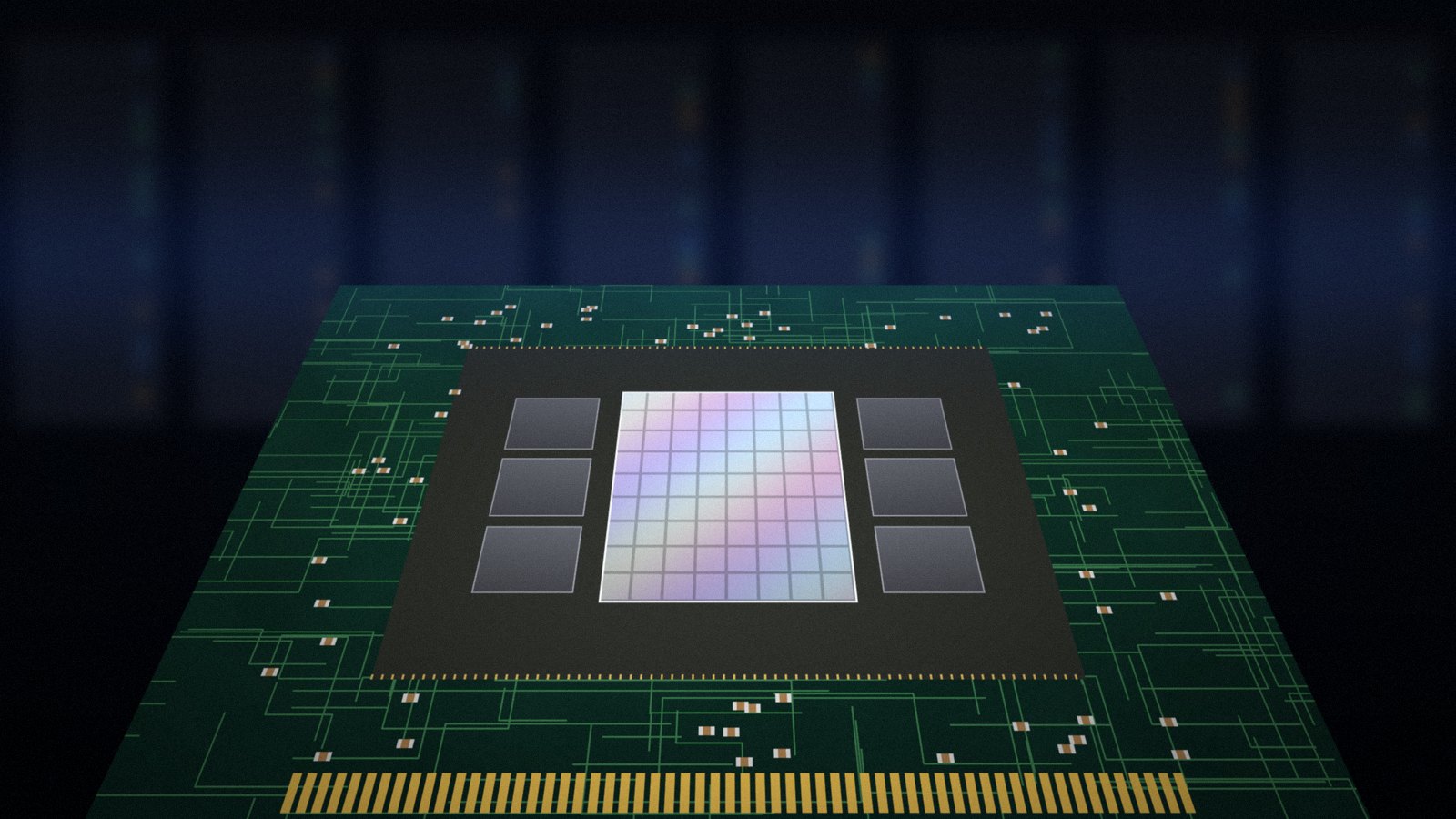
Today we are living through a technological contest among the great powers whose tools are concentrated in advanced chips and artificial intelligence. In October 2022 the United States imposed broad restrictions on exporting advanced chips and chipmaking tools to China, and these were widened in the years that followed. This is a clear case of what we have called “pushing back”: the restrictions do not seek to annihilate the other side, but to stop it from reaching a certain level of power. China responded by accelerating the development of its own chip industry, which confirms a rule we have seen in every field: pushing back rouses the one who is pushed.
It is too early to judge the outcome of this contest. But it can be said that technology has become the field in which the balances of both economy and war are decided, and that whoever falls behind in it does not fall behind in one area only.
Where is the balance?
The normative question raised by the verse of iron is that technological power comes down within the frame of the balance and justice. In the age of artificial intelligence this question is sharper than ever: who owns the tool that thinks? Who holds its owner to account? And could its concentration in the hands of a few states or companies lead to a kind of monopoly that disables pushing back itself? These questions have no conclusive answer yet, and we hope they will have a permanent place in this magazine.