Ida B. Wells: Numbers Against the Gallows
When newspapers justified lynching with rumours, a Black journalist answered with a tool no one expected: she gathered the numbers from her opponents’ own newspapers.
Editorial board
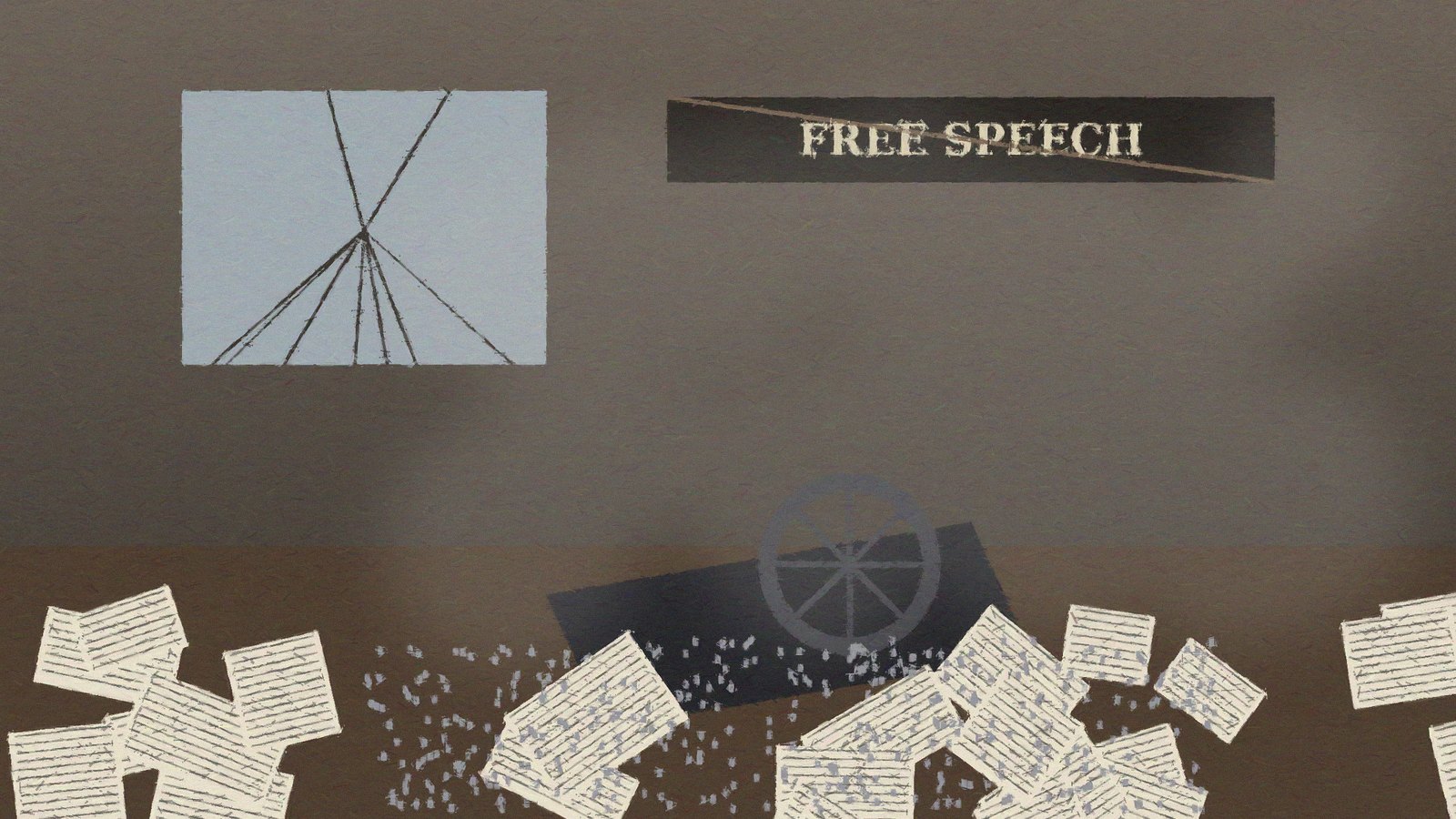
The People’s Grocery
In 1892 Thomas Moss was a close friend of Ida B. Wells, the young journalist who part-owned the newspaper Free Speech in Memphis, Tennessee. Moss and two partners had opened a grocery store in a Black neighbourhood, called the People’s Grocery. The store did well and drew customers away from a store owned by a white man across the street.
Tension rose until an armed confrontation in which white men were wounded. Moss and his partners were arrested. One night in March 1892 armed men broke into the jail, took the three outside the city and shot them dead. Moss is said to have said before he died: tell my people to go West; there is no justice for them here.
Moss had not been accused of any crime involving women, as newspapers usually claimed to justify lynching. His offence was that his store succeeded. In that moment Ida B. Wells realised that the common story about the causes of lynching was a lie, and she decided to prove it.
In May 1892 she wrote an editorial questioning that story. While she was in New York, a mob attacked the paper’s office and destroyed it, and threatened to kill her if she returned. She did not return to Memphis, but kept writing from the North.
Source: Ida B. Wells, “Southern Horrors” (1892), “The Red Record” (1895), and her memoir “Crusade for Justice”.
Ida Bell Wells was born into slavery in Mississippi in 1862 and freed as an infant. She lost both parents to a yellow fever epidemic at sixteen and worked as a teacher to support her siblings. She had fought her first battle years before the Moss case: in 1883 a train conductor ordered her to leave the ladies’ car for the smoking car. She refused, and wrote in her memoir that she bit his hand when he tried to drag her, before she was removed by force. She sued and won in a local court, and then the state supreme court overturned the ruling.
﴿يَا أَيُّهَا الَّذِينَ آمَنُوا كُونُوا قَوَّامِينَ بِالْقِسْطِ شُهَدَاءَ لِلَّهِ وَلَوْ عَلَىٰ أَنْفُسِكُمْ﴾[النساء: 135]
“O you who believe, be persistently standing firm for justice, witnesses for God, even if it be against yourselves.” (Al-Nisaʾ 4:135)
A method ahead of its time
What sets Ida B. Wells apart is not her courage alone but her method. She did not stop at anger; she collected lynching cases from her opponents’ sources: white newspapers, news agencies and their correspondents. Then she analysed them and showed that in only about a third of the cases were the victims even accused of assaulting women, and that many victims were killed for reasons such as business competition, “insolence”, or no reason at all. She published this in the pamphlet “Southern Horrors” in 1892, then in “The Red Record” in 1895.
Choosing her opponents’ sources was no accident. Had she relied on Black testimony she would have been accused of bias. Their own newspapers’ numbers they could not deny. This is a lesson in intellectual pushing back: the strongest argument is one built on the opponent’s own premises.
Boycott and departure
Her instruments were not limited to writing. After Moss’s killing she urged Black residents of Memphis to leave the city and to boycott the streetcars. She wrote that thousands did leave, and white businessmen complained of their losses. She used the economic weight of the community as an instrument of pushing back, as Montgomery would sixty years later, a story we read in the second issue.
The limits of the life
Ida B. Wells had a sharp temper and fell into disputes with other leaders of the civil rights movement, among them Booker T. Washington, whose accommodationist approach she considered harmful, and some founders of the NAACP, of which she is counted among the founders, although her name was left off the first list of founders for reasons historians dispute. Her sharpness was a source of strength against injustice, and a source of isolation among her allies.
She died in Chicago in 1931. Eighty-nine years later, in 2020, the Pulitzer Prize board gave her a posthumous special citation for her reporting. A very late recognition, but a recognition.