Al-ʿIzz ibn ʿAbd al-Salam: The Scholar Who Sold the Emirs
He was called “the Sultan of Scholars”. It was not an honorific but a description of a man who stood before sultans more than once and paid for it with prison, dismissal and exile.
Editorial board
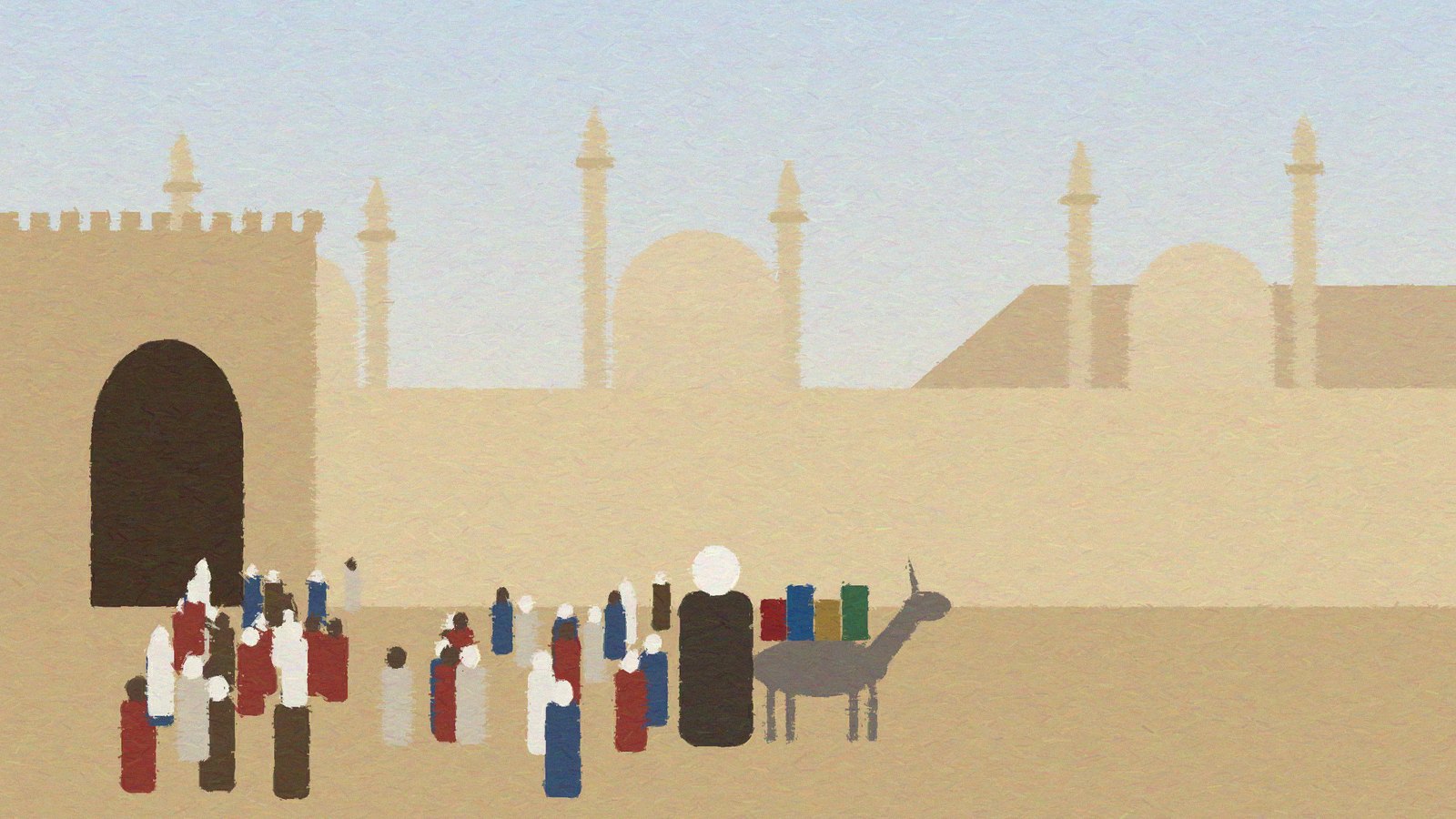
An auction in Cairo
When Sheikh ʿIzz al-Din ibn ʿAbd al-Salam moved from Damascus to Cairo around the year 639 of the Hijra, the Ayyubid sultan al-Salih Najm al-Din Ayyub appointed him a judge.
Many of the state’s senior emirs were Mamluks: slaves in origin, bought as boys and trained to fight, who had risen until they ruled. But no one had ever freed them by lawful manumission. The sheikh ruled that their transactions in buying, selling and marriage were not valid while they remained slaves, and that they must be sold for the benefit of the Muslim treasury and then freed.
The emirs were furious, among them the sultan’s own deputy. They spoke to the sultan, but the sheikh did not change his ruling. He loaded his belongings on a donkey and left Cairo, heading for Syria. The people followed him, scholars and pious men with them, until the sultan was told that if the sheikh went, his kingdom would go with him.
The sultan rode after him and won him back, and the sheikh agreed to return on condition that his ruling be carried out. The sultan’s deputy came to threaten him with his sword, but when he saw him he was afraid and asked him to let the matter go. Then the emirs were called to auction one by one; the sheikh set a high price on them, collected it and spent it on good causes.
Source: Taj al-Din al-Subki, “Tabaqat al-Shafiʿiyya al-Kubra”, entry on al-ʿIzz ibn ʿAbd al-Salam. The story is al-Subki’s account, and some modern historians are cautious about its details.
ʿIzz al-Din ibn ʿAbd al-Salam was born in Damascus in the year 577 of the Hijra and died in Cairo in 660. He lived in a turbulent age: Crusaders on the coast, Mongols in the east, and Ayyubid princes contending among themselves. In that age he became the model of a scholar who pushes back against power with knowledge.
﴿وَلَا تَكْتُمُوا الشَّهَادَةَ ۚ وَمَنْ يَكْتُمْهَا فَإِنَّهُ آثِمٌ قَلْبُهُ﴾[البقرة: 283]
“And do not conceal testimony; whoever conceals it, his heart is sinful.” (Al-Baqarah 2:283)
In Damascus: the pulpit against the alliance
The sheikh was the preacher of the Umayyad Mosque in Damascus when the ruler of Damascus, al-Salih Ismaʿil, allied with the Crusaders against his nephew in Egypt, handed them fortresses and allowed them to buy weapons in Damascus. The sheikh ruled that selling them weapons was forbidden and stopped praying for the sultan from the pulpit. He was dismissed and imprisoned, then left for Egypt. The lesson here is that pushing back with words has a cost, and that the one who does it pays with his freedom.
In Cairo: the law above the emirs
The story of selling the emirs, though its details come from al-Subki, expresses a clear principle: the law applies to the powerful as it applies to the weak. The sheikh was not an enemy of the Mamluks; he wanted their authority to rest on a sound basis. His instrument of pushing back was not arms but resignation and departure. When he left Cairo the people left with him, and his leaving became stronger than his staying. This is a form of pushing back found often in history: the holder of legitimacy withdraws it, and power is left exposed without cover.
Before ʿAyn Jalut
The sources relate that when Sultan Qutuz wanted to levy taxes on the people to equip the army against the Mongols, he consulted the scholars. The sheikh ruled that nothing could be taken from the people until the emirs had brought out their gold and silver, and each soldier kept only his weapons and mount; if that was not enough, then what was needed could be taken from the people. This was a principle of fiscal justice ahead of its time: austerity begins with the strong, not the weak.
The limits of the life
Much of what is told about the sheikh comes from later Shafiʿi sources that revered him, such as al-Subki, who wrote about a century after his death. That does not mean the accounts are invented, but it does mean some of their details may have grown in the retelling. His sharp positions also drew him into disputes with other scholars, not only with sultans. The fairest view is that the man was firm in the substance of his positions, and that some of their dramatic forms are the work of the narrators.
It is related that al-Zahir Baybars said when the sheikh died: now the kingdom is settled. Whether or not the report is authentic, it expresses what people understood from his life: that the existence of an independent scholar was a real check on power.