Imruʾ al-Qays: “Today Wine, Tomorrow Business”
A pleasure-loving prince banished by his father, who then received news of his father’s murder and spent the rest of his life pursuing revenge, until he knocked on Caesar’s door. His Muʿallaqa begins with winds pushing at ruins and ends with a torrent that uproots everything.
Editorial board
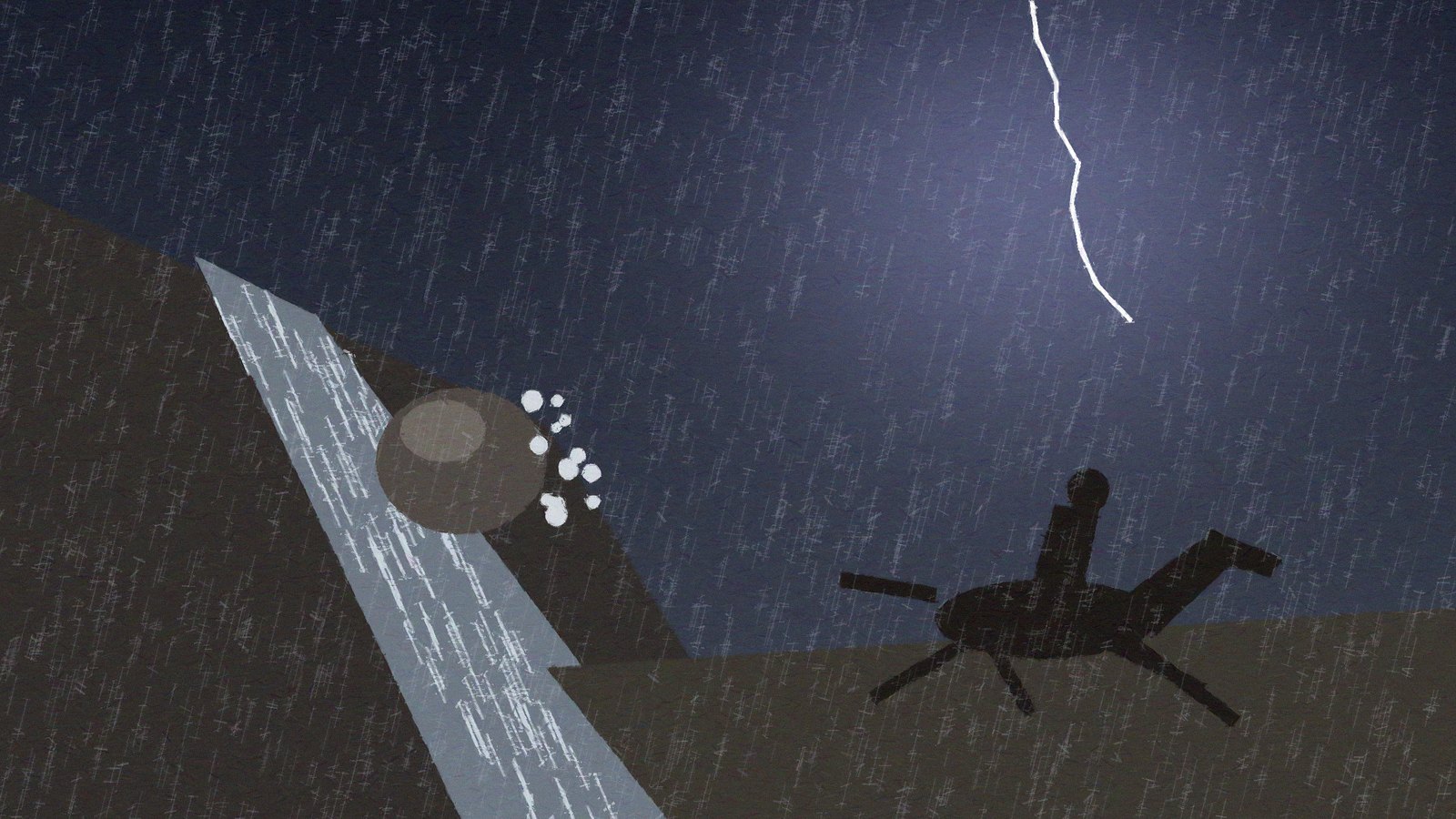
“He neglected me when young, and made me bear his blood when grown”
Imruʾ al-Qays was the son of Hujr, king of Kinda over the tribe of Banu Asad. The reports say his father banished him for indulging too much in love poetry, amusement and verse, so he wandered among the Arab encampments with companions of the vagabond kind, drinking and hunting.
Then Banu Asad rose against Hujr and killed him. The messenger brought the news to Imruʾ al-Qays while he was drinking and playing backgammon, and he paid no attention until he had finished. Then he spoke the words that became a proverb: “He neglected me when young, and made me bear his blood when grown. No sobriety today, and no drunkenness tomorrow. Today wine, tomorrow business.”
From the next day he began a journey that never ended. He gathered tribes and struck Banu Asad, then his allies scattered. He sought refuge with one tribe after another, pursued by al-Mundhir, king of al-Hira. Until he decided to go to the farthest power he knew: the Roman Caesar in Constantinople.
The report says Caesar honoured him and promised him an army, then sent him a poisoned robe; when he put it on his skin broke out in sores, and he died on his way back near Ankara. Hence his nickname, “the man of ulcers”. The reports mention that he saw the grave of a stranger woman there and said: “O neighbour, we are both strangers here, and every stranger is kin to a stranger.”
Source: Abu al-Faraj al-Isfahani, “Kitab al-Aghani”; introduction to al-Zawzani’s commentary. Historians treat the story of the poisoned robe with reserve.
Classical critics held Imruʾ al-Qays to be the chief of the pre-Islamic poets, and his Muʿallaqa is the most famous poem in Arabic. But read through the lens of pushing back, it reveals something deeper than artistry: a vision of a world in which all forces push against each other, from the wind to the horse to the torrent.
First axis: ruins preserved by contending winds
قِفا نَبكِ من ذِكرى حبيبٍ ومَنزِلِبِسِقطِ اللِّوى بين الدَّخولِ فحَومَلِفتُوضِحَ فالمِقراةِ لم يَعفُ رسمُهالِما نسَجَتها مِن جَنوبٍ وشَمأَلِ
Halt, both of you, and let us weep at the memory of a beloved and a dwelling, at the edge of the sand dune between al-Dakhul and Hawmal,
and Tudih and al-Miqrat: its trace has not been effaced, because of what the south and north winds have woven over it.
The second line is among the most remarkable in the ode for one who reads through the lens of pushing back. The poet says the trace of the abode has not been erased, and the reason is that two winds alternate over it: the south wind and the north wind. The commentators, al-Zawzani among them, explained that when one wind covers the trace with sand, the other uncovers it. The trace survived, that is, because two forces push against each other over it; had a single wind blown over it, it would have buried it.
This, in poetic form, is the idea of our entire project. Survival does not come from the absence of forces but from their contention. One wind erases; two contending winds preserve. “And were it not for God repelling some people by means of others, the earth would have been corrupted” (Al-Baqarah 2:251).
Second axis: the horse that joins advance and retreat
وقد أغتدي والطيرُ في وُكُناتِهابِمُنجَرِدٍ قَيدِ الأوابدِ هَيكَلِمِكَرٍّ مِفَرٍّ مُقبِلٍ مُدبِرٍ معًاكجُلمودِ صخرٍ حطَّه السيلُ مِن عَلِ
I go out early, while the birds are still in their nests, on a short-haired, sturdy horse that shackles the wild beasts,
charging, fleeing, advancing, retreating, all at once, like a boulder the torrent has hurled from on high.
Imruʾ al-Qays calls his horse “the shackle of the wild beasts”: so fast it overtakes them, as if it were a fetter that stops them fleeing. Then comes the line said to be the most eloquent ever composed on horses: a horse fit for charge and flight, advance and retreat, at one and the same time. In its rush it is like a great boulder pushed by the torrent from the top of the mountain.
This line holds the essence of the Arabs’ art of war: a good horse is not one that only rushes forward, but one with which its rider commands both advance and withdrawal. Charge and flight are two instruments of pushing back, each incomplete without the other. The commander who knows only how to advance destroys himself, and the one who knows only how to withdraw pushes nothing back. We saw in the second issue how the Mamluks won ʿAyn Jalut with a planned retreat, exactly what Imruʾ al-Qays described: retreating in appearance, advancing in truth.
Third axis: the night and the torrent
وليلٍ كموجِ البحرِ أرخى سُدولَهُعليَّ بأنواعِ الهمومِ لِيَبتلي
And many a night like the waves of the sea has let down its curtains upon me, with every kind of care, to try me.
The journey in the ode is two journeys: one through night and cares, and one through lightning and rain. The night comes upon him like the waves of the sea, letting down its curtains to try him with cares. It is as if the poet who pushes back the wild beasts with his horse finds himself pushed by a night he cannot master. Then the ode ends with a long description of a great torrent that uproots palms, demolishes houses and drowns wild animals, so that nothing stands before it.
Here the meaning is complete. The poet sees the whole world as forces pushing against each other: a wind uncovering what a wind covers, a horse pushing back the wild beast, a night pushing the man, a torrent pushing everything. In this world the human being is not the master of the forces but one force among forces.
When life becomes a journey of revenge
Read alongside its author’s life, the ode shows a tragic face. Imruʾ al-Qays spent his life seeking revenge for his father, and whenever the land narrowed for him he sought a greater power, until he ended at Caesar’s door. This is a pattern we know across the history of pushing back: the side unable to push back with its own strength seeks help from an outside power and becomes its hostage, and that power may take more than it gives. The poisoned robe, true or not, is a symbol of this truth.
The irony is that the man who never achieved his revenge immortalised his name in a poem. He lost the battle for revenge and won the battle for memory. That is another face of pushing back: some defeats in one field are victories in another.
The limits of the reading
Reading the line of the two winds as pushing back is a view the commentators held, but the line has other interpretations, among them that the two winds wove a covering of sand over the trace that had not yet completely erased it. And the reports of Imruʾ al-Qays’s life, from his father’s banishing him to the poisoned robe, mix fact with legend. We read them as what the Arabs understood of his life, not as documented history.
Issue contents: The Seven Muʿallaqat on the Scale of Pushing Back