The Seven Muʿallaqat on the Scale of Pushing Back
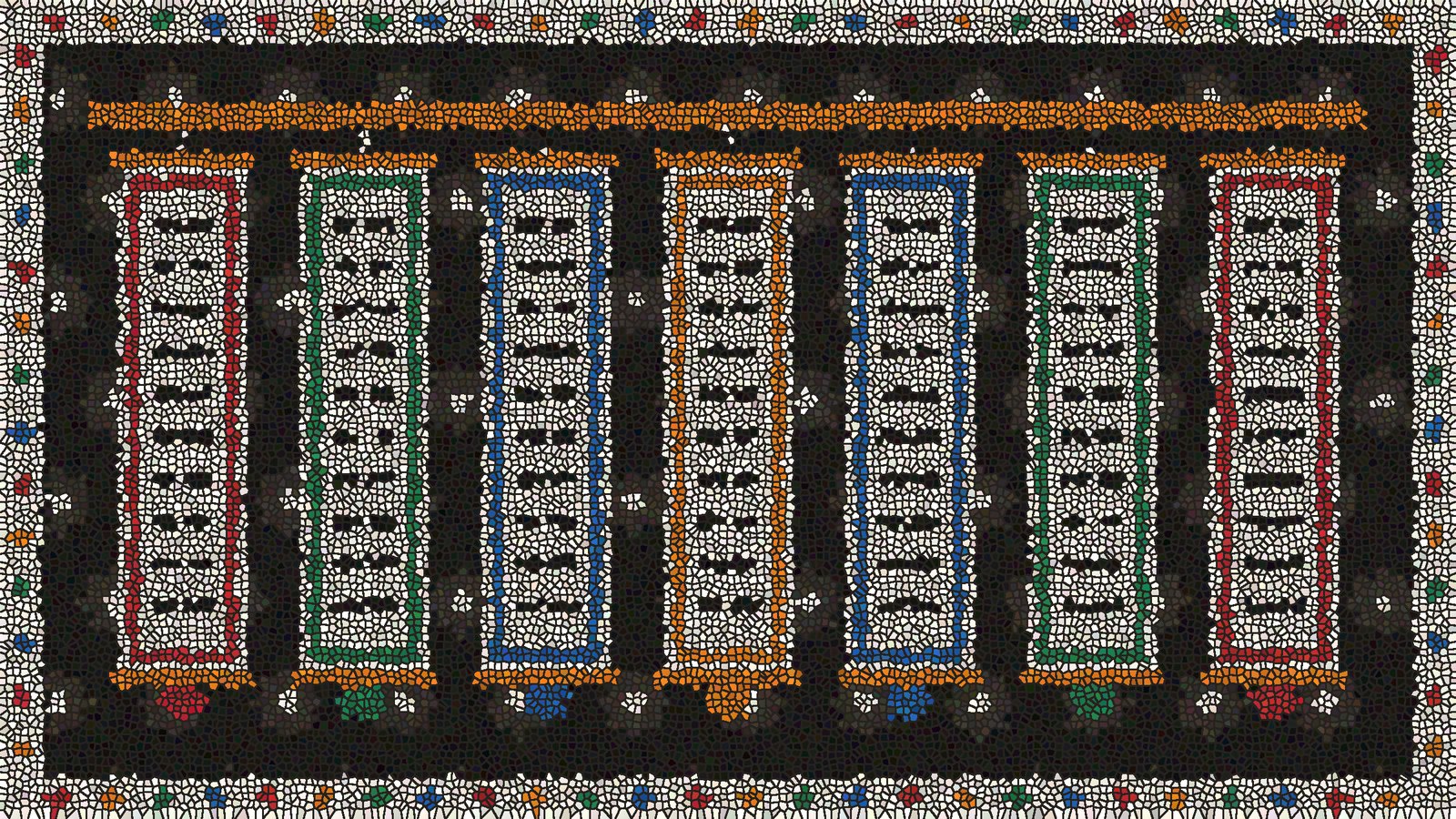
The Register of the Arabs: When Poetry Was the Field of Pushing Back
Before Islam the Arabs had no state, no press and no standing army. They had poetry. Poetry was their media, their record and their weapon, and a field on which they pushed against each other as they did with swords.
 Imruʾ al-Qays
: “Today Wine, Tomorrow Business”
A pleasure-loving prince banished by his father, who then received news of his father’s murder and spent the rest of his life pursuing revenge, until he knocked on Caesar’s door. His Muʿallaqa begins with winds pushing at ruins and ends with a torrent that uproots everything.
 Tarafa ibn al-ʿAbd
: The Young Man Who Carried His Own Death Warrant
He satirised a king at twenty, and the king sent him with a sealed letter to his governor ordering his death. His companion opened his own letter and was saved; Tarafa refused to open his.
 Zuhayr ibn Abi Sulma
: The War That Camels Put Out
The war of Dahis and al-Ghabraʾ lasted decades. Then two chiefs who had not fought in it paid the blood-money for the dead from their own wealth, and it went out. Zuhayr praised them in an ode that is the deepest thing said about war and peace before Islam.
 Labid ibn Rabiʿa
: All of Nature Pushes Back
He lived long enough to reach Islam and embrace it, and then nearly gave up poetry. In his Muʿallaqa a wild cow loses her calf to wolves, then drives off the hunters’ dogs with her horns.
 ʿAmr ibn Kulthum
: When Pushing Back Oversteps Its Limit
The king’s mother wanted to make his mother serve her, and his mother cried out: what humiliation! ʿAmr ibn Kulthum rose and killed the king in his own tent. Then he composed the ode that became the most famous poem of boasting in Arabic, and the most dangerous.
 ʿAntara ibn Shaddad
: The Slave Freed by His Sword
His father did not acknowledge him because his mother was an Abyssinian slave. When enemies raided his people, his father said: charge, ʿAntara. He replied: a slave is no good at charging. His father said: charge, and you are free.
 al-Harith ibn Hilliza
Al-Harith ibn Hilliza: Pleading From Behind Seven Curtains
An ailing old man stands before a king who hates to see him, to plead his people’s case in a blood dispute. He recited from behind a curtain, and the curtains were raised one after another.